UW Pediatrics is at the forefront of medical research, leading the discovery of new insights into the causes of childhood diseases and the development of new approaches to improving pediatric health. Through our discoveries and advances, we are improving health outcomes for children worldwide.We are united in our focus on a single mission: the wellbeing of children. What we do today transforms care in the future.
Our faculty’s research laboratories, groups, and programs are located at the University of Washington, Seattle Children’s Hospital, Seattle Children's Research Institute, Fred Hutchinson Cancer Center, and throughout the WWAMI region.
Research Improves Lives
Medical research is core to UW Medicine's mission to improve the health of all people. It offers hope to those in need, generates job opportunities and drives economic growth in our communities.
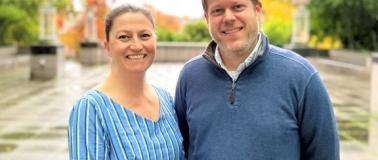
“What I like about pediatrics research is that there is so much potential for positive change.”
-Dr. Stefan Kappe
Diversity of Research
From a chewing gum that prevents preterm birth, to virtual reality that improves infant resuscitation, to anti-cancer agents that improve the effect of other therapies—our research is diverse and far-reaching. It spans areas including community health, social studies, operational efficiencies, pathogenesis of disease, health outcomes, and hypothesis-driven laboratory-based research. This diversity creates and supports greater scientific progress and collaborative work across disciplines.
Featured Research
Our faculty is recognized internationally for its research achievements.



UW Pediatrics at the Forefront
Our faculty is recognized internationally for its research achievements. Check out our latest published research.
Read more about the research being done in each specialty:
Our research program is designed to address key areas that affect the health of adolescents.
Areas of Research Focus
- STD research
- Behavioral change interventions
- Mental health
Partnerships
- UW Department of Psychiatry
- Center for AIDS and STD Research
- Public Health Seattle and King County
- Child Health Institute
- Division of General Pediatrics
The Treuman Katz Center for Pediatric Bioethics and Palliative Care at the Seattle Children’s Research Institute was the first program in the country to focus on pediatric bioethics issues and serves as a national resource for addressing the complex bioethical issues affecting families, healthcare institutions and society. In 2018, the Treuman Katz Center expanded its focus to include pediatric palliative care with the goal to improve quality of life, medical decision-making and communication for children with serious illness and their families. The Treuman Katz Center team is interdisciplinary with expertise in medicine, philosophy, law and the social and behavioral sciences.
Basic research in our laboratory continues to improve understanding of how the immature heart uses oxygen and other fuels. This knowledge will help us to develop strategies to protect the heart during and after surgery for congenital heart disease.
Myocardial energy metabolism and myocardial protection continue as the primary research endeavors within the Cardiology Division. Basic laboratory research focuses on the signals, which communicate to the cell’s energy factory, the mitochondrion, during increases in heart work. Thyroid hormone levels decrease after artificially induced stresses such as cardiac surgery. Thus, research in our experimental laboratory now complements clinical research at Seattle Children’s.
We also have a number of outcomes research projects. These include a multicenter study of adult congenital heart disease, a drug trial in patients with heart failure, and studies associated with the post-natal outcomes after the prenatal diagnosis of specific cardiac anomalies. We participate in multicenter trials surrounding patients with pulmonary hypertension, and are an international leader in device trials in the cardiac catheterization laboratory.
The Division of Craniofacial medicine supports interdisciplinary research. Our mission is to foster research that parallels our clinical center to remain an international leader in craniofacial-related science.
Divisional faculty are involved in a variety of NIH, industry and foundation supported basic, translational and clinical research. Specific areas of investigation include inflammation/ischemia-dysoxia, long term outcomes following pediatric critical illness, bioethics, pediatric disaster preparedness, and continuous performance improvement.
The Division of Developmental Medicine researches a variety of topics, including:
- Dr. Bjornson's research is concerned with evidence-based clinical interventions to improve the activity and community-based mobility participation of persons with cerebral palsy and physical disabilities. A related interest is to develop a methodology to enable rigorous testing of the effectiveness of various current and emerging treatments (e.g., orthotics, physical activity/exercise, and physical therapy timing and frequency) on relevant outcomes (e.g., ambulatory and physical activity, participation in daily life).
- Dr. Cowan's interests in Autism Spectrum Disorders (ASDs) and involves research efforts in the past related to quality improvement, standardization of care and early diagnosis of ASDs.
- Dr. Doherty’s research interests focus on hindbrain malformations as a way to understand human brain development and common disorders such as intellectual disability, autism, ataxic cerebral palsy and even mental health disorders such as schizophrenia. His group uses a variety of genetic techniques (SNP mapping, array CGH, and high throughput sequencing) to identify the genes responsible for hindbrain malformation disorders such as Joubert syndrome, which immediately translates into molecular diagnostic testing, and detailed work on genotype-phenotype correlations improves diagnostic, prognostic and medical management information for patients.
- Dr. McLaughlin's research program is aimed at developing better treatments for persons with cerebral palsy and other disabilities. This includes studies of the long-term effects of selective dorsal rhizotomy and continuous intrathecal baclofen using an implantable pump. Dr. McLaughlin is involved in studies of the incidence of pain and fatigue in persons with cerebral palsy and in developing outcome measures for quality of life.
- Dr. Zinner pursues research with a strong focus on psychosocial and behavioral aspects of neurodevelopment, with a particular interest in Tourette syndrome and its associated conditions, including Attention Deficit Disorders, learning disabilities and anxiety disorders among others in the context of family and other social influences. Current research activities explore behavioral intervention for youth with Tourette syndrome; and barriers & successful strategies in effective pediatric residency training in DBP.
- Dr. Herzig's research interests focus on children with Down syndrome, congenital heart disease or other medically complex/genetic conditions and their access to appropriate developmental surveillance and health supervision.
Emergency Medicine Faculty conduct research on problems related to the health and emergency care of children and adolescents. Specific areas of study include infectious disease, vaccines, drowning and prevention, pediatric resuscitation, simulation, analgesia and sedation, musculoskeletal injuries, injury management and prevention, patient safety, medical education, mental health, management of medical complexity, respiratory illnesses, informatics, quality, transport medicine, and global childhood malnutrition, and use of interpretation.
 We are active in the Pediatric Emergency Care Applied Research Network (PECARN), through individual leadership and through the Seattle Children’s led STELAR research node of PECARN.
Global health research interests include translation & disparities research, virtual simulation curriculum development and implementation, collaborative projects with PECC-Kenya fellowship, and childhood malnutrition in LMICs.
ED Research Team
Co-directors: Eileen Klein and Julie Brown
Research Manager: Bonnie Strelitz
Faculty in the Division of Endocrinology perform research in pediatric endocrinology, diabetes and obesity.
Our research programs center on the diagnosis, treatment, and quality of life of children and adolescents with gastrointestinal and liver diseases. Current topics of focus include therapy trials for viral hepatitis, acute liver failure, metabolic dysfunction steatotic liver disease (MASLD - fatty liver disease), and inflammatory bowel disease. We also have ongoing research in the area of liver transplantation.Many of these studies are being performed in collaboration with other centers around the United States.
- The Childhood Liver Disease Research Network (ChilDReN) Network: Pathogenesis, progression, and treatment of pediatric genetic cholestatic liver diseases including biliary atresia, Alagille syndrome, progressive familial intrahepatic cholestasis (PFIC), alpha-1-antitrypsin deficiency, and bile acid synthetic deficiency
- The use of bowel ultrasound in Inflammatory Bowel Disease
- Nutritional therapy in Inflammatory Bowel Disease
- Therapeutics in Eosinophilic Gastrointestinal Diseases
- Epidemiology, pathogenesis, and treatment of chronic viral hepatitis B and C
- Pathogenesis and treatment of metabolic dysfunction steatotic liver disease (MASLD - fatty liver disease)
- Pathogenesis and treatment of intestinal failure · Society of Liver Transplantation (SPLIT) International Registry of children with liver transplants and outcome research
- Outcome disparities in liver transplant recipients
- Indicators of medical frailty among patients listed for liver transplant
- Hepatocellular mechanisms and molecular toxicology behind the hepatotoxicity of many widely-used medicinal herbs
Faculty in General Pediatrics are affiliated with a number of research centers associated with the University of Washington and Seattle Children's Hospital. Follow these links to learn about these research programs.
Our research holds the promise for both continued development of improved molecular diagnostic tools and successful treatment of inherited diseases. Research in the Division is highly patient-driven. It often begins with a physician identifying a particular patient’s problems and subsequently taking that problem into a laboratory setting for further analysis. The Division has a strong research focus with established research programs in medical genetics information systems, neurogenetic disorders, fetal alcohol syndrome, neuromuscular diseases, human teratology, population genetics/evolution and gene therapy.
Our research activities to improve cancer treatment encompass internationally recognized programs at Children’s, the University of Washington and FHCRC. These activities have been responsible for the development of widely used clinical treatments, including hematopoietic stem cell transplantation and novel targeted therapy for treating acute myelogenous leukemia, brain tumors, and neuroblastoma.
Our faculty carry out research within the Center for Immunity and Immunotherapies (CII) at Seattle Children's Research Institute. Our Center, also directed by Dr. Rawlings, brings together a dynamic group of distinguished experts across multiple disciplines to solve some of the immune system's most complex problems. CII researchers treat patients in the Immunology, Rheumatology and other clinics at Seattle Children's Hospital with the ultimate goal of applying what is learned in research to progressively advance the care of our patients.
Research within the CII extends full-circle, rapidly evolving from clinical questions to laboratory-based investigation and back to patients in the form of improved diagnostic tools for primary immune deficiency and autoimmune diseases, advanced therapies for genetic disorders, innovative vaccine strategies and enhanced immune monitoring techniques.
Harnessing the Immune System's Healing Potential
We begin with the premise that a child's immune system has vast healing potential. We focus on harnessing that potential by manipulating the immune system to treat pediatric diseases, including immune deficiency, autoimmunity, allergies, organ transplant rejection, infections and cancer. As part of this work, we are improving the molecular definition and diagnosis of immunological disorders, developing disease-specific cell therapies and stem cell transplantation approaches, modulating immune function through small-molecule therapeutics and working to cure immune deficiencies through cutting-edge gene therapy and gene repair.
Working Collaboratively to Achieve Improved Health and Better Outcomes
Because the challenges are exceedingly complex, we search broadly for answers. For example, we leverage the strengths of our investigators and the broad expertise of our collaborators within the Northwest Genome Engineering Consortium (NGEC) in Seattle, along with other prominent academic and biotech research groups here and around the world. We are actively recruiting researchers who are leaders in the field — as well as graduate students, postdoctoral researchers from within, and beyond, the University of Washington Department of Immunology and technicians with outstanding scientific talent — to join our thriving research community and complement our existing expertise by bringing new approaches, innovations and capabilities.
Above all, we are motivated by our patients' courage and are committed to helping them achieve improved health and better outcomes.
Visit our website to take a tour of the Center for Immunity and Immunotherapy programs.
The Infectious Diseases Division currently has over 50 active grants. Our faculty are affiliated with the Center for Global Infectious Disease Research Center for Global Infectious Disease Research and the Center for Clinical and Translational Research. Our Investigators have made significant contributions to understanding viral and bacterial pathogenesis and defining the epidemiology and clinical impact of viral and bacterial pathogens in children and adults.
View our faculty profiles to learn more about our research.
Key Research Areas
IHDD’s research programs focus on advancing the understanding and treatment of intellectual and developmental disabilities through interdisciplinary collaboration. Key research areas include: (1) Biologic Basis of Developmental Disorders, (2) Acquired Brain Injury and Repair, (3) Developmental Toxicology, (4) Epilepsy, (5) Hearing and Vision Disorders, (6) Autism - genetics, biomarkers & therapeutics, and (7) Development and Evaluation of Therapeutic Interventions.
- Intellectual and Developmental Disabilities Research Center (IDDRC) Cores
The University of Washington’s Eunice Kennedy Shriver Intellectual and Developmental Disabilities Research Center (IDDRC), based at the Institute on Human Development and Disability (IHDD), provides a comprehensive interdisciplinary research program in the field of intellectual and developmental disabilities (IDD).
The IDDRC empowers research affiliates by providing access to cutting-edge technologies and data analysis techniques. Core services provided include experimental design support, grant development, equipment and space access, staff training, research expertise and best practices, and the coordination of UW resources. We also provide support for early career researchers. Scientific core support facilities are as follows: (1) Animal Behavior, (2) Brain Imaging, (3) Clinical Translational, and (4) Genetics. Core values of Early Career Facilitation and Diversity and Equity thread through all our activities.
- Animal Behavior Core
The Animal Behavior Core (ABC) provides an infrastructure for investigators to perform advanced and innovative functional assessments in rodent models to assist in understanding the origins and treatment of intellectual and developmental disabilities (IDD). The ABC supports efforts aimed at developing and characterizing novel rodent models of IDD that result from gene identification or gene modification research or environmental exposure studies performed by IDDRC Research Affiliates. - Brain Imaging Core
The Brain Imaging Core (BIC) provides the technical foundation to support and promote interdisciplinary image-based neuroscience research in the field of intellectual and developmental disabilities (IDD). BIC seeks to enhance our basic science understanding of IDD and support our ultimate goals of early diagnosis, prevention, and new treatment methods by facilitating cutting-edge neuroimaging research and training. To accomplish our overall mission, BIC provides IDDRC Research Affiliates with extensive resources in magnetic resonance imaging (MRI), electrophysiology recordings (electroencephalography, EEG and magnetoencephalography, MEG), and positron emission tomography. - Clinical Translational Core
The Clinical Translational Core functions as a service to IDDRC scientists to promote and support clinical and translational research in the field of Intellectual and Developmental Disabilities (IDD). - Genetics Core
The Genetics Core is designed to integrate cutting-edge genomic technologies into the research programs of investigators, to enhance the understanding of Intellectual and Developmental Disabilities (IDD) and develop future treatments. The translational mission of our IDDRC includes supporting research aimed at identifying genetic causes of IDDs that will inform prognostic information, recurrence risk counseling, monitoring for associated medical complications, and supportive treatments.
- Animal Behavior Core
- University Center for Excellence in Developmental Disabilities (UCEDD) Research Areas
The UW University Center for Excellence in Developmental Disabilities (UW UCEDD) supports 4 core functions, including:
- Interdisciplinary Training
- Community Service
- Information Dissemination
- Research and Evaluation
The UW UCEDD is authorized under the DD Act and is part of a network of 68 UCEDDs across the United States and territories. It is one of the three partners in the DD Network and works closely with the Washington State Developmental Disability Council and the Washington State Protection and Advocacy System—Disability Rights Washington. It connects with self-advocacy organizations in Washington State, including Allies in Advocacy, Self Advocates in Leadership (SAIL), and People First of Washington as well as other advocacy organizations like the ARC of Washington.
The UW UCEDD hosts 7 programs listed below:
- Adults and Elders
The purpose and goal of the Adults and Elders Program is to promote the health and overall quality of life of adults with developmental disabilities. - UW Autism Center
The UW Autism Center is one of the first autism centers to provide clinical services, professional training, and internationally recognized research. - Center for Technology and Disability
The Center for Technology and Disability focuses on a broad range of topics related to disability and the supportive use of technology. - Clinical Training Unit
The Clinical Training Unit (CTU) provides training, research, and exemplary services in the diagnosis and treatment of children with developmental disabilities. - Community Disability Policy Initiative
The Community Disability Policy Initiative (CDPI) is designed to bring about systematic change that increases the awareness about and opportunities for individuals with developmental disabilities. - Genetics Program
The Genetics Program serves individuals with a genetic disorder or disability. Clinics offer diagnosis, assessment, treatment, and counseling services. - The Haring Center
The Norris and Dorothy Haring Center for Research and Training in Inclusive Education provides early childhood education to children with and without disabilities.
- Leadership Education in Neurodevelopmental and Related Disabilities (LEND) Research
UW LEND is located at the University of Washington, Institute on Human Development and Disability, a University Center for Excellence in Developmental Disabilities (UCEDD). The UW LEND serves as a center of excellence preparing the next generation of leaders to support individuals with developmental disabilities and their families in achieving their full potential.
The UW LEND is an interdisciplinary training program committed to preparing graduate students, post-graduate fellows, mid-career health professionals, family members and self-advocates to:
- Practice interdisciplinary care for individuals with developmental disabilities and their families.
- Practice family-centered care that is responsive to the diversity of the community and promotes inclusion and equity.
- Advocate for systems and policies that best serve individuals with a developmental disability.
- Assume leadership roles.
UW LEND is funded under the Autism Collaboration, Accountability, Research, Education and Support (CARES) Act, administered by the federal Health Resources and Services Administration (HRSA), Maternal and Child Health Bureau (MCHB), as a part of a national network of LEND programs.
Our team studies how different treatments and practices affect newborn health locally and globally. Our research helps shape safer, more effective therapies and practices for preemies and severely ill infants, and includes expertise in neuroscience, medical education, neonatal-perinatal health, and ethics.
Neonatal Education and Simulation Training (NEST) program: Researchers in the NEST program use cutting-edge technology and training methods to educate providers and improve care for newborns across the region.
Ethical Decision-Making in Neonatal Care: Our division is highly active in bioethics scholarship, leading research to support families and providers through complex choices and advancing thoughtful, compassionate care. We also collaborate extensively with scholars from the University of Washington Department of Bioethics and Humanities and the Treuman Katz Center for Pediatric Bioethics & Palliative Care.
Global Neonatal Medicine (ALIGN): Most small and sick newborns are born in places with limited resources and face serious challenges to survival and healthy development. Our ALIGN faculty have active projects in Ethiopia, Malawi, Nepal, Nigeria, Rwanda, Sierra Leone, and Uganda, representing the largest group of global health neonatologists in the U.S. Their work aims to improve newborn care around the world through innovation, education, and advocacy.
Microbial Interactions, Nutrition, and Development (MIND): The MIND research team explores how nutrition, especially human milk, and the microbiome shape a baby’s growth and brain development.
Neonatal Neuroscience Laboratory and Brain Research Advancement in Neonatology (BRAIN): We have multiple research teams dedicated to protecting newborn brain development, looking at therapies like cooling (hypothermia) and exploring biochemical markers to guide future treatments. Our landmark trials have advanced understanding of anemia, iron supplementation, antibiotic use, and prognostic factors like imaging, EEG, and medication effects—leading to safer, more effective NICU care.
Translational, Clinical, and Quality Improvement Research: The Outcomes Research Collaborative is dedicated to improving the health and healthcare received by neonates in our units locally, regionally and nationally. Our diverse group performs innovative research in the fields of neonatal epidemiology and pharmacoepidemiology. Our division has established a local Quality Improvement Microsystem at Children’s and a larger Regional Quality Improvement Program that oversees collaborative QI work done across all our NICUs in the region.
Neonatal Pulmonary Physiology: Despite notable progress in both survival and associated morbidity with premature birth, limited progress has been made in reducing rates of bronchopulmonary dysplasia. Our research in translation models of pulmonary disease provides insight into basic mechanisms and optimal management of disease, and novel work in resuscitation models influences resuscitation algorithms at birth.
Congenital Diaphragmatic Hernia (CDH): The Seattle Children’s Congenital Diaphragmatic Hernia Program offers more specialized care than any other children’s hospital in the Pacific Northwest. Our faculty are involved in research to improve care, outcomes, and quality of life for children born with a CDH, including work with other centers across the nation.
Clinical Research
Our clinical research training activities can be grouped into four major areas:
- Treatment & outcomes of acute renal failure
- Treatment & outcomes in chronic renal failure and end-stage renal disease
- Renal transplantation
- Renal thrombotic microangiopathies
Basic Science Research
Members of the division are also actively engaged in basic science research. Our primary areas of interest pertain to the cellular and molecular mechanisms of chronic kidney disease. The three major overlapping themes being explored by our basic science faculty are: 1. Inflammation and response to renal injury, 2. Matrix biology and fibrogenesis, and 3. Vascular biology, atherosclerosis, and angiogenesis.
The Division of Pulmonary and Sleep Medicine is engaged in transformational basic, clinical and translational research across the age spectrum. We are a national leader in pediatric respiratory and sleep scholarship, conducting multidisciplinary studies that span several research locations in Seattle and beyond, including the Seattle Children’s Research Institute’s Center for Respiratory Biology and Therapeutics and the University of Washington. Our efforts include basic, laboratory-based investigations, clinical trials, observational clinical and translational studies, and data-driven analyses, as well as work in implementation science, quality improvement and medical education domains; fellows are frequently welcome to participate in these studies. Examples of ongoing research by Pulmonary faculty and our colleagues include: bronchopulmonary dysplasia, lung injury, asthma, wildfire smoke exposure, health disparities in cystic fibrosis and ventilatory support, implementation science, respiratory viral infection and prevention, aerosolized drug delivery, chronic lung infection (due to cystic fibrosis, tracheostomy, bronchiectasis, and primary ciliary dyskinesia), antibiotic therapies for respiratory disease, and gene therapy. Examples of current Sleep-based research interests include bench-to-bedside circadian biology, sleep disordered breathing, insomnias and movement disorders.
Our research missions are:
- To develop new and more effective treatments for pediatric rheumatic diseases and better understand their long term outcomes.
- To expand and support basic science and translational research into the etiology and pathogenesis of rheumatic diseases.
- To encourage and enable patient participation in studies that will further the development of best treatments such that every child with an identifiable rheumatologic disease has the opportunity to participate in a research study.
- To develop clinical educator research and technology, improving access to care and education of physicians about pediatric rheumatic disease.
Research Administration
Luke R. Hoffman, MD, PhD
Professor Director, The Cystic Fibrosis Foundation Center for CF Microbiology (CCFM lab) Vice Chair for Research
Rachel A Umoren, MB, ChB, MS
Professor Associate Division Head, Research Medical Director, Inpatient Telehealth, Seattle Children’s Hospital Adjunct Professor, Division of Healthcare Simulation Science & Department of Global Health
